

Mulching is one of those simple garden jobs that can make a huge difference. Whether you’ve planted a new hedge, created a border or added new trees and shrubs to the garden, adding a layer of mulch around your plants can help give them the best possible start. But what exactly does mulch do, and why do we recommend it so often here at Farlow Farm Nursery?
What Is Mulch?
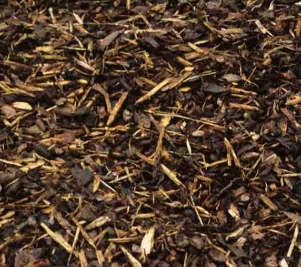
Mulch is a layer of material spread over the surface of the soil around your plants. There are lots of different materials that can be used, but for most gardens, bark mulch is a simple and effective choice. As well as giving borders and planted areas a neat, finished appearance, mulch has several important benefits below the surface too.
Helps the Soil Hold Onto Moisture
One of the biggest benefits of mulching is helping to reduce water loss from the soil. A good layer of mulch acts as a barrier between the soil and the sun and wind, slowing evaporation and helping the ground stay moist for longer. This is particularly useful during warm, dry weather and around newly planted trees, shrubs and hedging while their roots are still establishing. It doesn’t mean you can forget about watering, but it can help the water you give your plants go further.
Helps Keep Weeds Down
Weeds compete with your plants for water, nutrients and space, so keeping them under control is particularly important around newly planted areas. A generous layer of mulch helps block light from reaching the soil surface, making it harder for many weed seeds to germinate and grow. You may still get the occasional weed appearing, but keeping on top of them should be much easier.
Protects the Soil
Bare soil is exposed to heavy rain, drying winds and extremes of temperature. Covering it with mulch gives the soil an extra layer of protection. Mulch can help insulate the ground from temperature fluctuations and reduce the impact of heavy rainfall on the soil surface. Organic mulches will also gradually break down over time, adding organic matter and helping improve the soil.
Particularly Important for New Planting
We recommend mulching after planting because those first months are particularly important while a plant establishes its root system. Whether you’re planting an ornamental tree, a new shrub or a long run of hedging, reducing competition from weeds and helping the soil retain moisture gives those new roots a much better environment in which to establish. Just remember to keep the mulch slightly away from the base of the plant or tree trunk rather than piling it directly against it.
How Much Mulch Should You Use?
Before mulching, remove any existing weeds and make sure the ground is moist. If the soil is particularly dry, give the area a good water first – you want the mulch to help keep moisture in, rather than covering already dry soil. Spread your mulch evenly over the soil. A layer of around 5–7.5cm (2–3 inches) is a useful general guide for many garden situations. Over time, the mulch will naturally break down and become incorporated into the soil, so it’s worth checking the depth and topping it up when needed.
When Is the Best Time to Mulch?
Mulch can be applied at various times of year, but spring and autumn are particularly good opportunities. Autumn mulching helps protect the soil as we head towards colder weather, while spring mulching can help conserve moisture and suppress weeds ahead of the main growing season. The most important thing is to apply mulch when the soil is moist rather than very dry or frozen.
A Small Job That Makes a Big Difference
Mulching might not be the most exciting job in the garden, but it’s certainly one worth doing. From conserving moisture and suppressing weeds to protecting and gradually improving your soil, there are plenty of reasons to make it part of your planting routine. Here at Farlow Farm Nursery, we stock 60L bags of bark mulch, ideal for using around trees, shrubs, hedging and borders. Got a bigger area to cover? We also supply bark mulch by the cubic metre, either loose or bagged, making it a great option for larger borders, landscaping projects and longer runs of hedging. So next time you’re planting, don’t just think about what’s going in the ground – remember to look after what’s on top of it too!