

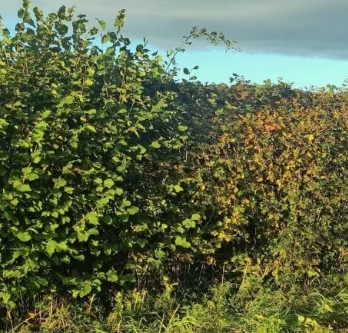
Native hedging has been part of the British countryside for generations, creating field boundaries, providing shelter and offering valuable habitats for wildlife. But native hedging isn’t just for farms and fields. It can also be a fantastic choice for gardens, larger properties, estates and landscaping projects. So, what exactly is native hedging, and why might you choose it for your next planting project?
What Is Native Hedging?
Put simply, native hedging is made up of species that occur naturally in Britain. Rather than planting one ornamental variety to create a uniform hedge, native hedges are often planted using a mixture of different species. This creates a more natural-looking hedge with different flowers, foliage, berries and colours appearing throughout the seasons.
Popular native hedging species include:
- Hawthorn
- Blackthorn
- Hazel
- Field Maple
- Holly
- Dogwood
They can be planted individually or combined to create a mixed native hedge.
Why Plant a Native Hedge?
There are plenty of reasons to consider native hedging. It can create a natural boundary, provide shelter from the wind, divide different areas of land and add structure to a garden or landscape. But one of the biggest advantages is the habitat it can create. A mixed native hedge can provide food, shelter and nesting opportunities for a wide range of wildlife. Flowers can provide nectar and pollen for insects, while berries, fruits and nuts can provide food later in the year. Dense branches also offer valuable shelter for birds, insects and small mammals. The variety within a mixed hedge means there can be something of interest at different points throughout the year.
Which Native Hedging Species Should You Choose?
Different species bring different qualities to a native hedge, which is one of the reasons mixtures work so well. Hawthorn is one of the classic choices for native hedging. It creates a dense, thorny hedge with white flowers in spring followed by red haws later in the year. Blackthorn is another thorny species, producing white flowers in early spring followed by sloes. Hazel brings a slightly different character, producing catkins and nuts as well as providing useful shelter. Field Maple adds attractive foliage and lovely autumn colour to a mixed hedge. Holly brings evergreen foliage into the mix, providing valuable year-round cover and, on female plants where pollination occurs, berries. Dogwood can add further seasonal interest, particularly from its colourful stems during winter. Combining several species gives you a hedge that changes throughout the seasons rather than relying on one plant for all of its interest.
Mixed Native or Single-Species Hedging?
Native hedging doesn’t necessarily have to be mixed. A single-species Hawthorn hedge, for example, can create an excellent dense boundary. However, using several native species together can provide greater variety in flowers, fruits, foliage and habitat. The right choice depends on what you want from your hedge and where you’re planting it. For a traditional countryside-style hedge or a project where encouraging wildlife is particularly important, a mixed native hedge can be a great option.
Native Hedging for Wildlife
If encouraging more wildlife into your garden or land is one of your aims, a hedge can do much more than simply mark a boundary. Established hedges can act as wildlife corridors, helping animals move between different areas while providing shelter along the way. Flowering species can attract pollinating insects, while berries and fruits provide food for birds and other wildlife later in the season. Even fallen leaves and the area beneath an established hedge can become useful habitat. You don’t need acres of countryside to see these benefits either – a native hedge along the edge of a garden can create a valuable living boundary.
When Is the Best Time to Plant Native Hedging?
Native hedging is commonly supplied as bareroot plants during the dormant season, typically from November to March. Bareroot hedging is a particularly cost-effective option if you’re planting a longer boundary or need larger quantities of plants. Because bareroot plants are lifted from the ground while dormant and supplied without soil around their roots, lifting and planting is dependent on suitable weather and ground conditions. Native species are also available in pots, giving you more flexibility if you need to plant outside the traditional bareroot season.
What About BN11 Hedging Grants?
If you’re planting a new native hedgerow as part of a larger countryside or land-management project, you may be eligible for financial support through a hedging grant. The BN11 – Planting New Hedges capital item supports eligible new native hedgerow planting and has specific requirements around the species mix, plant sizes, spacing and planting. At Farlow Farm Nursery, we grow BN11 grant-compliant mixed native hedging bundles specifically for these projects. If you’re considering applying for funding, take a look at our Hedging Grants & The BN11 Scheme guide for more information and always check the latest official guidance before ordering for a funded project.
A Natural Boundary That Gets Better With Time
Whether you’re planting around a garden, creating a field boundary or working on a larger countryside project, native hedging is a great way to create a natural, long-lasting boundary. As the hedge establishes, it becomes thicker and more characterful, while providing increasing amounts of shelter and habitat. Here at Farlow Farm Nursery, we grow a wide range of native hedging right here at the nursery, including Hawthorn, Blackthorn, Hazel, Field Maple and mixed native hedging bundles. Our bareroot native hedging is available during the dormant season, typically from November to March, with lifting always dependent on weather and ground conditions.
Browse our native and bareroot hedging online, or get in touch if you’d like some help choosing the right mix and quantities for your project.