

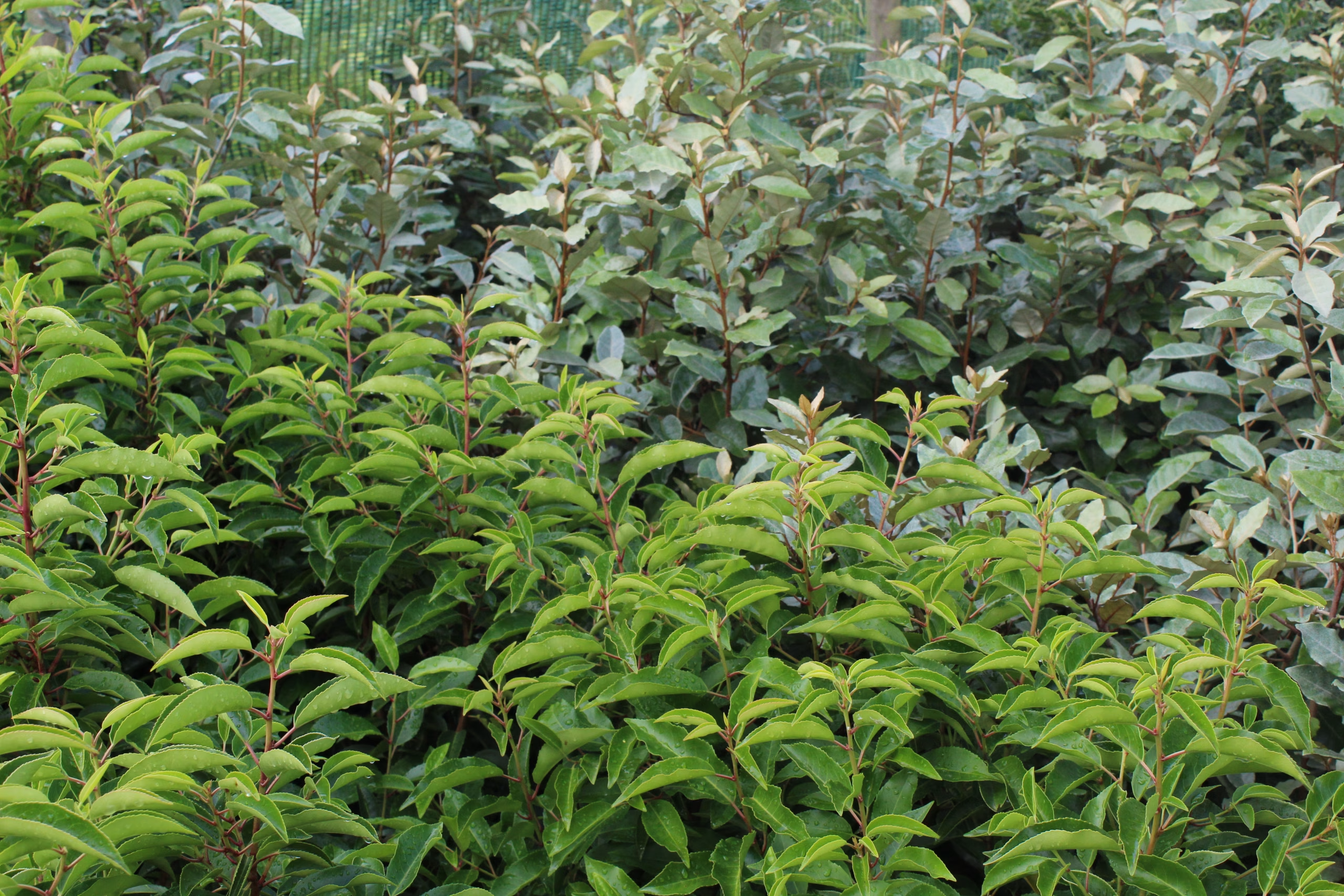
Planting a new hedge is a great way to create privacy, mark a boundary, provide shelter or encourage wildlife into your garden. But getting the planting right from the beginning can make a big difference to how quickly your new hedge establishes. At Farlow Farm Nursery, we’ve been growing hedging plants for over 50 years, and we’ve seen plenty of common planting mistakes along the way! Here are five to avoid when planting your next hedge.
1. Planting Too Close Together – Or Too Far Apart
Getting the spacing right is one of the most important parts of planting a hedge. Plant too far apart and you’ll be waiting much longer for the plants to grow together and create a dense hedge. Plant too closely and the plants can end up competing unnecessarily for water, nutrients and space. The correct spacing depends on the species, size of plant and type of hedge you’re creating, so there isn’t one measurement that works for everything. For longer runs of native hedging, you may also need to decide between a single or double staggered row, depending on the density and finish you’re looking for. Not sure how far apart to plant yours? Read our Hedging Spacing Guide for more advice on plant numbers, single and double rows, and getting the spacing right.
2. Not Preparing The Ground Properly
It’s tempting to get your plants in the ground as quickly as possible, but a little preparation goes a long way. Before planting, remove weeds and grass from the planting area and loosen any compacted soil. Preparing a good planting trench or individual planting holes gives the roots a much better environment to begin establishing. Don’t try to squeeze roots into a hole that’s too small either. Give them enough room to spread naturally rather than bending or forcing them into place. Once planted, firm the soil gently around the roots to remove large air pockets and make sure the plants are secure.
3. Forgetting About Watering
One of the biggest mistakes is assuming that because a hedge is planted in the ground, it will look after itself. New hedging needs regular attention while its roots establish, particularly during dry or warm weather. Give the plants a good, thorough watering after planting and continue checking them during dry spells. A deeper watering is generally more useful than frequently giving the surface of the soil a quick sprinkle, as you want moisture to reach the developing root system. And don’t forget hedging planted during autumn or winter completely – prolonged dry periods can still occur outside summer. Adding a layer of bark mulch around the plants can also help retain soil moisture and suppress weeds.
4. Choosing The Wrong Hedge For The Area
A hedge might look perfect in a photograph, but that doesn’t necessarily mean it’s right for your garden. Before choosing a species, think about the conditions where it’s going to grow. Is the position sunny or shaded? Is it exposed to strong winds? Does the soil tend to stay wet or dry out quickly? How much space will the hedge eventually have? It’s also worth considering how tall and wide you actually want your finished hedge to be. Choosing a variety suited to your conditions and available space will make maintaining it much easier in the years ahead. Not sure which variety to choose? Read our How to Choose the Right Hedge guide, where we look at evergreen and deciduous hedging, growth rates, maintenance and the different types of hedging available.
5. Forgetting About Protection And Aftercare
Planting isn’t the end of the job! Depending on where you’re planting, young hedging may need protection from rabbits and other animals. Spiral guards and canes can provide useful protection for young plants, particularly with native bareroot hedging. Keep the area around your new hedge relatively free from weeds and grass too. They compete with young plants for water and nutrients at exactly the time your hedge is trying to establish. As the hedge begins growing, appropriate formative trimming can also encourage bushier, denser growth rather than simply allowing the plants to shoot upwards.
Give Your New Hedge The Best Start
Most hedging problems are much easier to prevent than they are to correct later. Choose a hedge suited to your site, prepare the ground properly, get your spacing right and pay attention to watering and aftercare. A little extra effort when planting can make a big difference as your hedge establishes. We’ve been growing hedging here at Farlow Farm Nursery for over 50 years, with potted hedging available throughout the year and bareroot and rootball hedging available during the dormant season, typically November to March, weather dependent. You can browse our full range of Hedging Plants online, visit us at the nursery, or get in touch if you’d like advice on species, quantities or spacing before you start planting.